
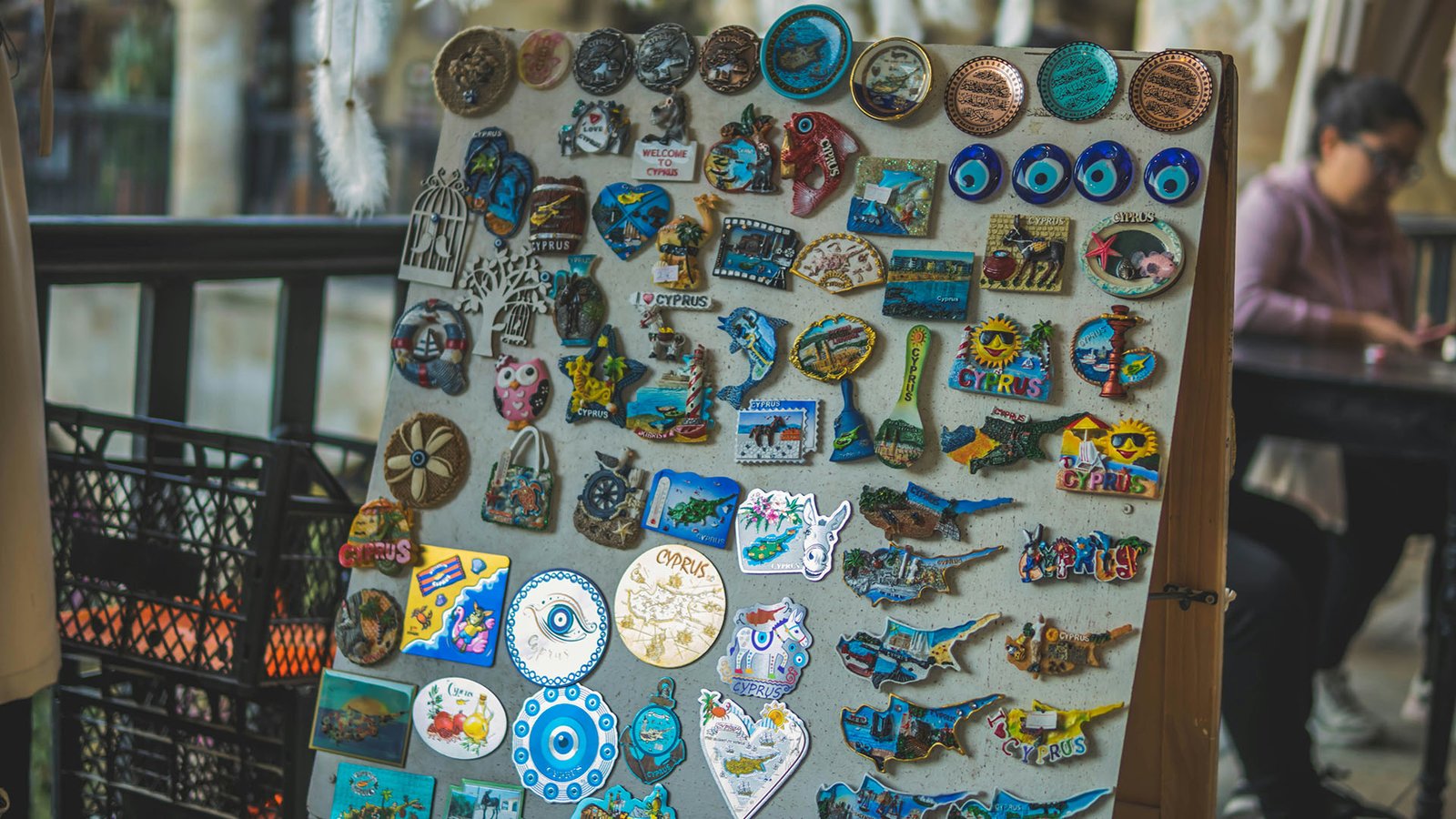
The souvenir industry is shifting beneath our feet. If you've walked through an airport gift shop in the last year, you've probably noticed something: the shelves are no longer stuffed with the same generic keychains and fridge magnets they used to be. Buyers are asking different questions. Travellers want different things. And the products that actually move off the shelf? They look nothing like what sold five years ago.
We see it every day working alongside our Guangzhou‑based manufacturing partner. Our sales team gets the same emails from buyers week after week: "What's going to sell next season?" "How do we stand out?" "Our customers keep asking for X — can you make it?"
The answer isn't one trend. It's five. And they're already shaping what sells in 2026.
1. Eco‑materials have moved from "nice‑to‑have" to table stakes
Let's be honest: a few years ago, "sustainable materials" in the souvenir world meant a token bamboo keychain that nobody really bought. That's over. Recycled PVC compounds, bamboo fibre composites, plant‑based resins — these are now baseline requirements, not premium upsells.
The data backs this up. According to Euromonitor International, the global travel retail market was valued at over USD 101 billion in 2025 and is projected to reach USD 190 billion by 2032, growing at a CAGR of 9.5%. But behind that headline number is a much more specific signal: European and North American buyers — who together account for roughly 41% of travel retail growth — are making sustainability a procurement requirement, not just a marketing talking point.
Technavio's latest report on the gifts, novelty and souvenirs market estimates an increase of USD 21.07 billion from 2025 to 2030 at a CAGR of 4.5%, with Europe leading that growth. Their report specifically calls out "the rise of eco‑friendly novelty items manufacturing" as a key market trend.
Working with our Guangzhou‑based manufacturing partner, 60% of their PVC product line has pivoted to eco‑friendly compounds over the past two years. Here's what surprised us: it wasn't just the EU regulatory compliance that drove orders — it was the buyers themselves. We had a repeat customer from Germany tell us last quarter, "I don't even ask for 'standard PVC' anymore. Just give me the most sustainable option you have." That sentence would have sounded weird three years ago.
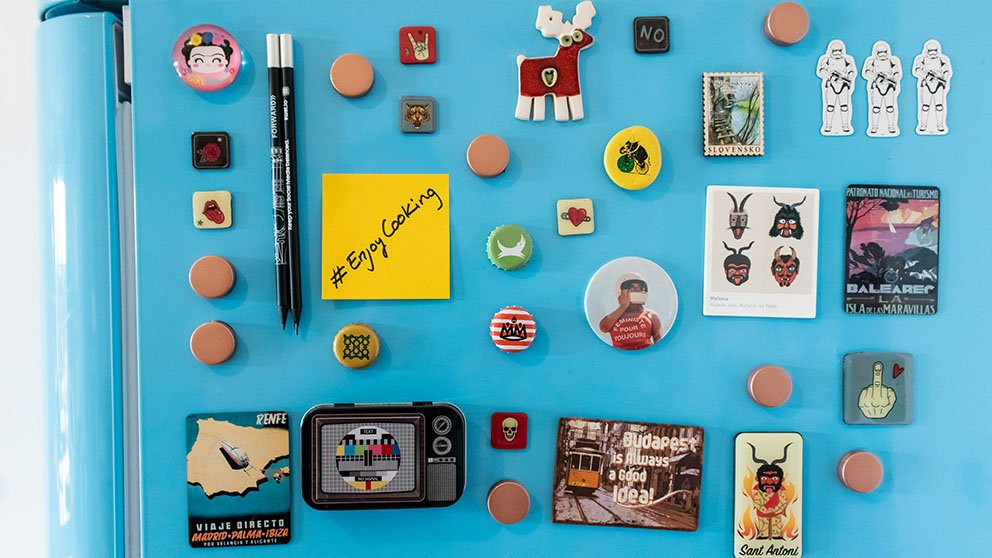
2. Y2K and '90s nostalgia — the retro wave that's actually here to stay
Open TikTok or scroll through Pinterest and you'll see it everywhere: chunky keychains designed like retro Game Boys, fridge magnets styled like vintage cassette tapes, enamel pins borrowing heavily from '80s cartoon aesthetics. This isn't a two‑week viral moment. It's a sustained cultural shift, and it's huge for souvenir buyers.
Pinterest Predicts 2026 identifies a trend called "Throwback Kid" — and the numbers are eye‑catching. Searches for "1970s childhood toys" are up 125%, while "nostalgia toys" searchers have jumped 225%. The platform also reports that "vintage circus aesthetic" searches are up 70% under their "FunHaus" trend. Perhaps most tellingly, Pinterest notes that 67% of all 2026 trends are being driven by Gen Z — a generation that didn't even live through the '90s but is obsessing over them anyway.
We've observed this trend working with our Guangzhou‑based manufacturing partner. Last autumn, a UK‑based buyer came to us with a sketch for a "retro game console" fridge magnet. We mocked it up in our sample room using our standard PVC process, and within ten days she'd placed a full container order. Her reasoning? "My customers are literally obsessed with anything that feels like their childhood. They don't care if it's 'tacky' — they care if it makes them smile."
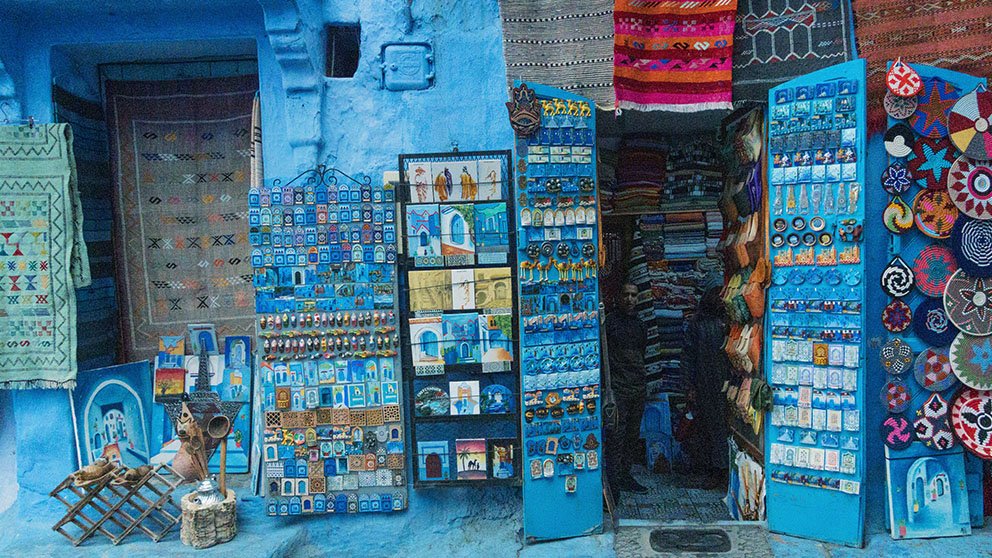
3. Functional souvenirs — from shelf‑sitter to daily driver
Here's a simple truth: the average traveller's home is already full of fridge magnets they don't need and keychains they forgot they had. The products that will win in 2026 are the ones that earn a place in someone's daily life.
Bottle‑opener keychains. Fridge magnets with built‑in phone stands. Luggage tags that double as card holders. Travel adapters that look like souvenir items. The line between "useful object" and "travel memory" is blurring — and smart buyers are riding that wave.
According to Pinterest's trend data, searches for "lip gloss keychains" surged 3,045% — yes, that's three thousand percent. It sounds silly, but it tells you everything you need to know: consumers want souvenirs that intersect with their everyday routines.
Drawing on our manufacturing‑partner’s industry background, we've tracked a roughly 40% increase in orders for multi‑functional souvenir products across our customer base over the last 18 months. The message from buyers is consistent: travellers don't want another ornament gathering dust. They want something useful that also carries a memory.
4. Local culture, reimagined — not just another photo print
Walk into any tourist trap shop from Bali to Barcelona and you'll see the same thing: a photograph of a landmark printed on a keychain. It works, sure — but it's boring. And boring doesn't stand out on a crowded shelf or in an Instagram feed.
The brands winning in 2026 are doing something different. They're taking local landmarks and abstracting them into cartoon characters. They're turning regional folklore into collectible mini‑figures. They're reinterpreting traditional craft patterns through a modern design lens.
Think about it: a traveller doesn't need another postcard of the Colosseum. They need a conversation starter. When we worked with an Australian client who wanted souvenirs inspired by Aboriginal dot‑painting traditions, we didn't just print patterns on magnets. We collaborated with a local Indigenous artist, adapted the motifs into a contemporary cartoon style, and produced a range that felt both authentic and fresh. The result? A sell‑through rate that exceeded their projections by 60%.
This is where the real margin lives — not in commodities, but in culture done right.
5. Collectible series — turning one‑time buyers into repeat customers
The smartest souvenir brands are thinking like video game designers. Limited‑edition city series. Seasonal drops. "Complete the set" collections. These strategies tap into the same psychology that makes people collect Pokémon cards or blind box figures.
And the audience for this is growing fast. Pinterest Predicts notes that 42% of consumers are drawn to trends that offer personal alignment — they want to curate, collect, and complete. On TikTok, #collectible and #unboxing content consistently racks up millions of views daily. Amazon's global selling report for 2026 notes that 63% of consumers now prioritize sustainable and purposeful products, and collectible formats naturally encourage repeat engagement rather than one‑off purchases.
In our factory, we've started offering "series kits" to our regular clients — coordinated sets of 4 to 6 designs that can be released progressively throughout the year. It's been a genuine game‑changer for order frequency. One client from Singapore told us they now plan their entire annual procurement calendar around series releases instead of individual product orders.
What this means for buyers
Let's zoom out for a second. The souvenirs that will dominate 2026 share five characteristics: they're made sustainably, they tap into nostalgia, they serve a purpose beyond decoration, they tell a local story in a fresh way, and they encourage collecting rather than just buying.
The good news? You don't need to redesign your entire product line to ride these trends. A small tweak — switching to an eco‑compound PVC, adding a bottle‑opener function to a keychain, re‑styling a landmark as a cartoon character, or launching a limited city series — can be enough to future‑proof your range.
Drawing on our manufacturing‑partner’s industry background, one key insight we have learned is that successful buyers listen closely to their customers instead of relying purely on guesswork. The trends above aren't speculation — they're signals we're seeing play out in real orders, real samples, and real conversations with buyers every week.
Ready to refresh your souvenir product range?
Browse our latest souvenir collections or request a bespoke sample tailored for your travel destination.